

ABOUT AMAR FARMER
BacBon Ltd. empowers traditional subsistence farmers in Bangladesh’s remote regions, especially farmers from indigenous communities in the Chittagong Hill Tracts (CHT) and Sreemangal, as well as farmers from the riverine Char Islands, to achieve a productive and sustainable future.

OUR PROGRAMS
At the heart of this initiative are three pillars: Capacity Development, Improvement of the Value Chain and Partnership, and Nano funding.At the heart of capacity development
is the introduction of vertical farming techniques. By integrating these elements, we strive to transform traditional
subsistence farming in CHT and Char Islands into a more productive and sustainable model.
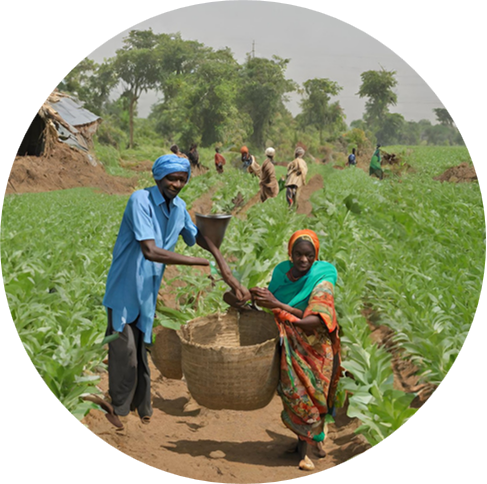
FARMERS’ CAPACITY
DEVELOPMENT
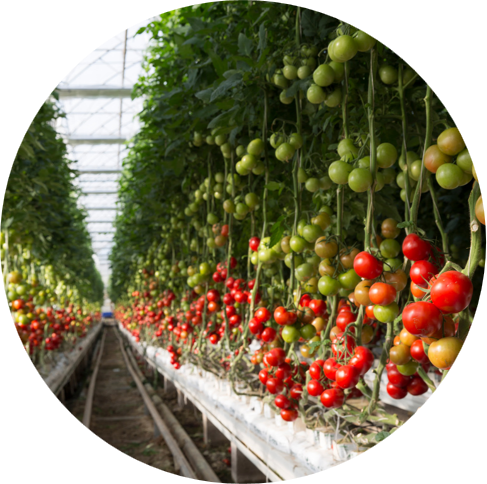
VERTICAL FARMING
INFRASTRUCTURE

FACILITATE MARKET
LINKAGES

NANO FINANCING
FACILITIES
CAPACITY DEVELOPMENT
To enhance the skills and knowledge of farmers in sustainable and traditional agricultural practices, our program focuses on a comprehensive approach that encompasses participatory education, organic and regenerative farming, and market integration. We aim to support farmers in adopting practices that are environmentally sustainable and economically viable.
Organic and Regenerative Farming Practices
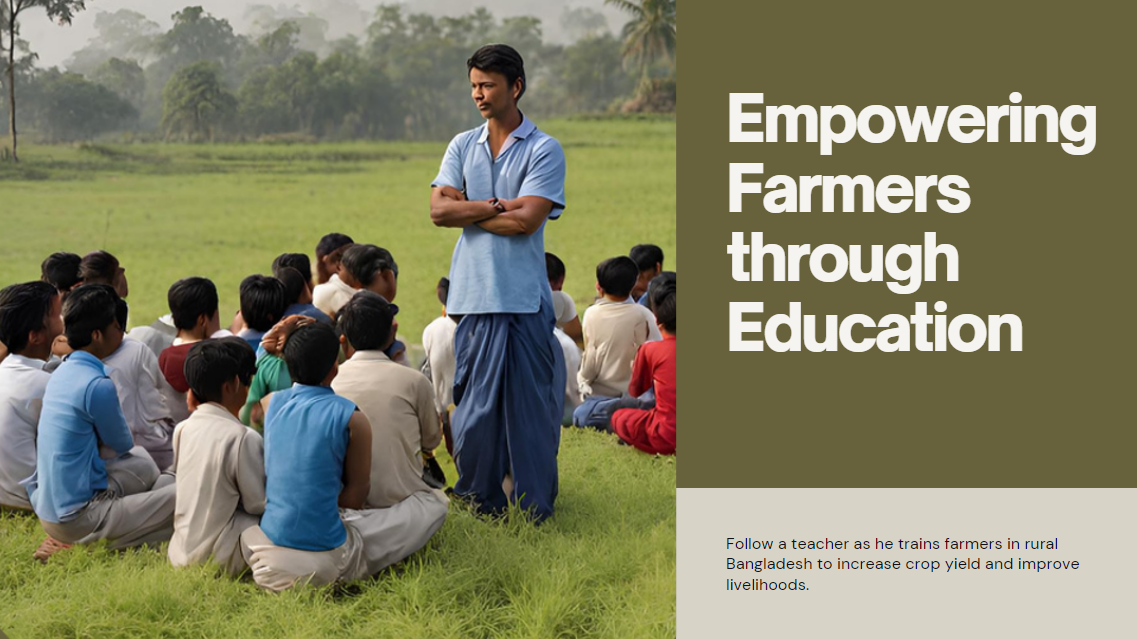

Market Access and Value Chain Professionalism Development:
By focusing on these key areas, we aim to empower farmers with the knowledge and skills necessary to adopt sustainable agricultural practices, improve their livelihoods, and contribute to the overall well-being of their communities.
Extension Services and Technical Assistance:

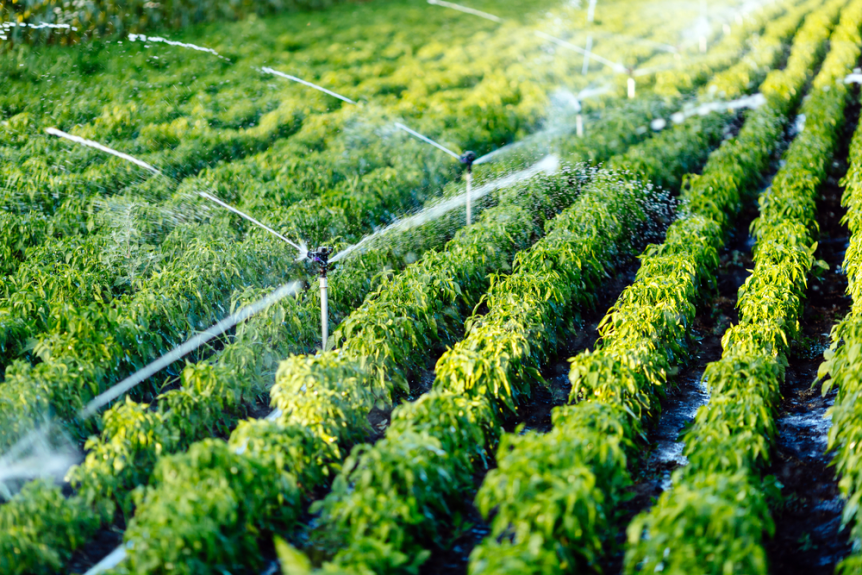
 Agroforestry and Cover Cropping:
VERTICAL FARMING
VERTICAL FARMING
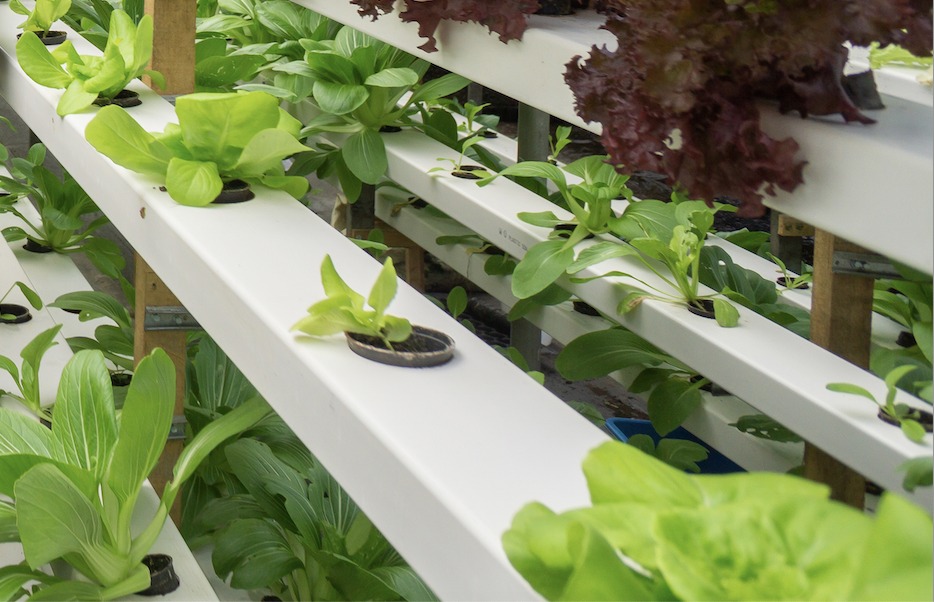
To assist farmers in the Chittagong Hill Tracts and Char islands in transitioning from traditional subsistence farming to more productive and sustainable models, we will introduce and train them in various vertical farming methods. These methods are well-suited for small-scale farmers and can significantly increase agricultural productivity.
VERTICAL FARMING
METHODS

Hydroponics
Hydroponics, a soilless farming method where plants grow in a nutrient solution, is particularly suited for plain land areas with better access to water. This method allows for precise water and nutrient management, making it an efficient choice for producing a variety of crops on flat terrain where water control can be more easily managed.
Aeroponics
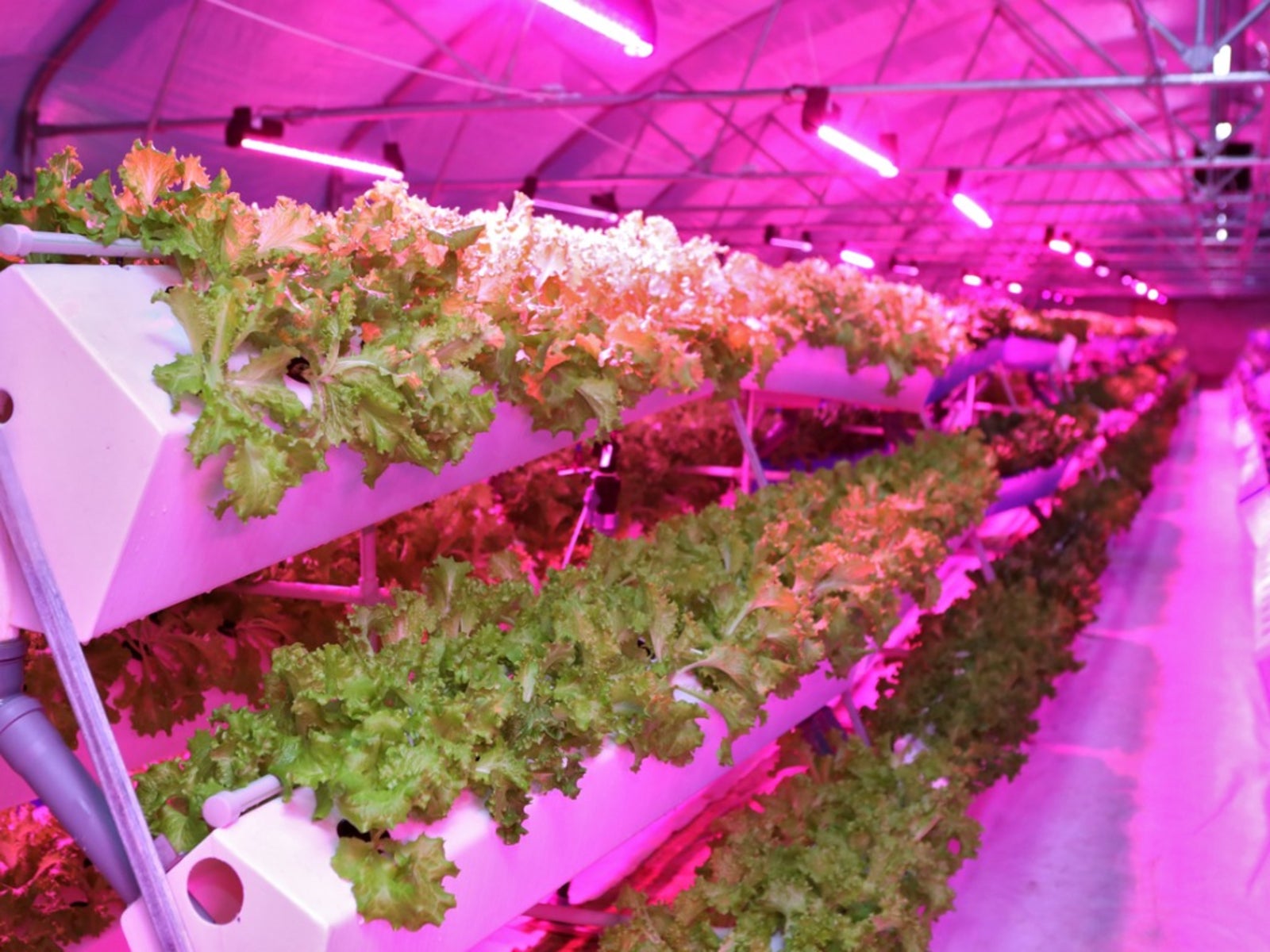
Aeroponics is highly recommended for the Chittagong hill tracts, where water is scarce. In this system, plant roots are misted with a nutrient solution, dramatically reducing water usage. The lightweight and modular nature of aeroponic systems makes them ideal for hilly terrains, where they can be easily integrated into the landscape.
Aquaponics
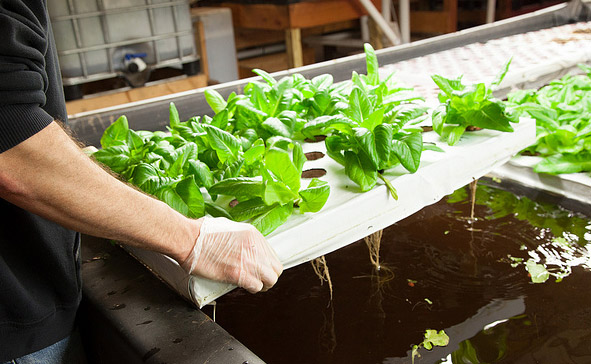
Aquaponics, a combination of aquaculture and hydroponics, is versatile and can be adapted to both the Chittagong hill tracts and plain lands. It's an excellent choice for areas looking to maximize resource use and diversify agricultural production. However, it requires careful water management, making it more suitable for plain lands where water can be controlled and recycled effectively.
Vertical Farming Structures
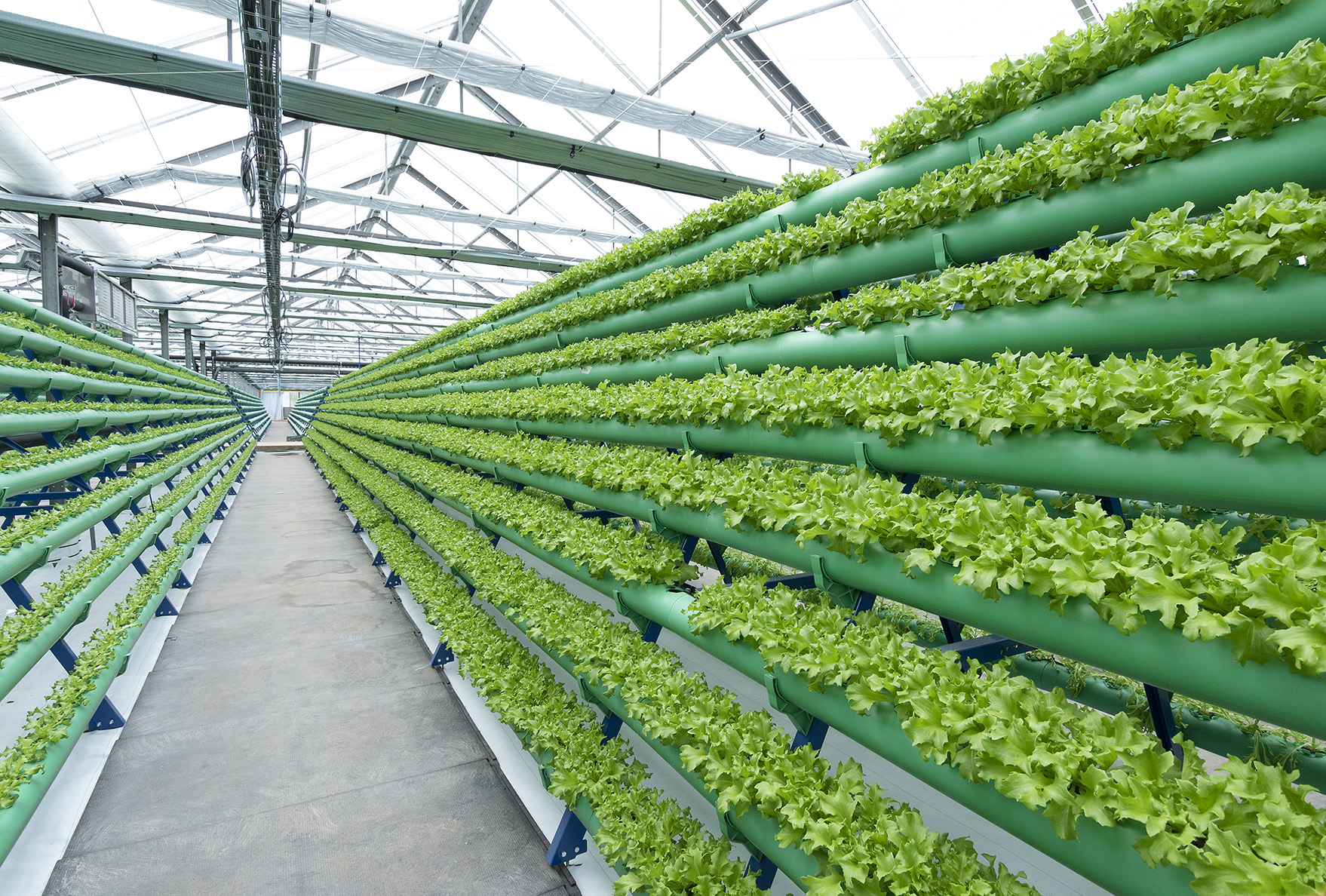
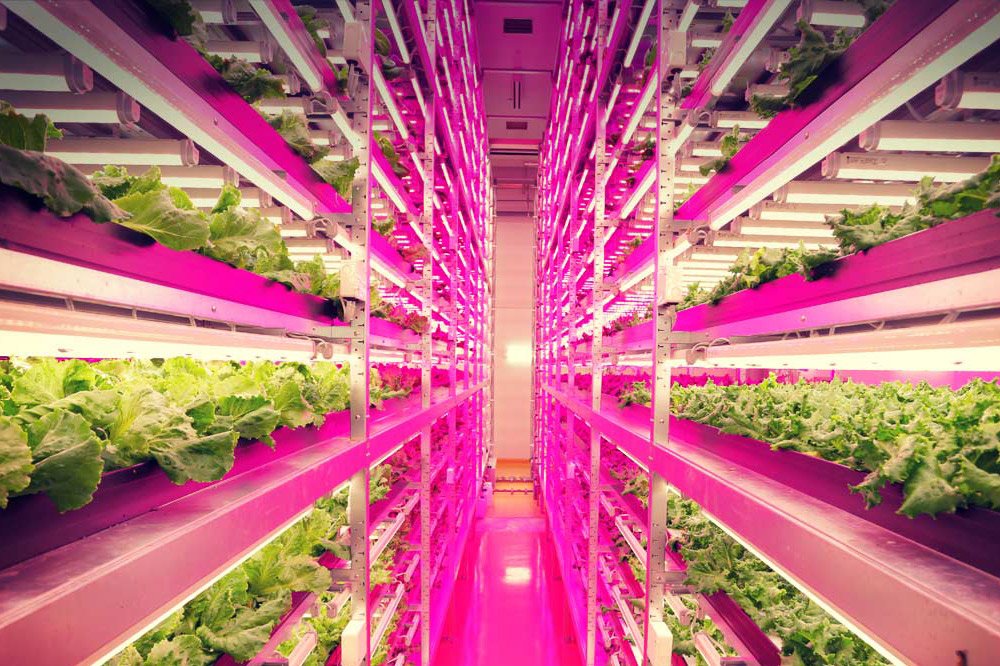
Farmers can use tiered shelves, vertical towers, wall-mounted systems, or even repurposed shipping containers for vertical farming.
Year-Round Production
Vertical farming allows for year-round crop production, independent of external weather conditions, which can significantly increase annual yields.

Crop Variety
Vertical farming is not limited to leafy greens and herbs. Advances in technology are expanding the range of crops that can be grown, including strawberries, bell peppers, and more.
Facilitate Market
Linkages

Facilitate Market Linkages
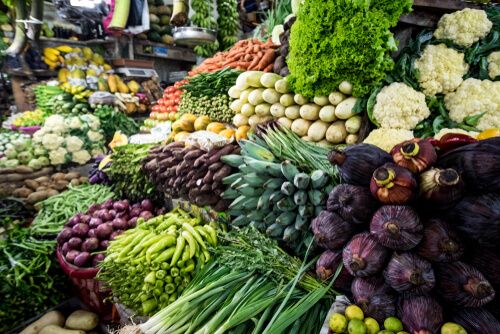
Connecting with farmers, especially from Chittagong Hill Tract (CHT) farmers to mainstream markets through B2B and B2C channels can catalyze prosperity by enhancing productivity, reducing waste, and improving incomes.
Key Components:
- Connect hill farmers to markets: Provide incentives, input loans, transportation facilities, storage facilities, and insurance facilities so that farmers can access the mainstream market
- Sell through own retail outlet: Offer insecticide-free, organic produce at fair prices to consumers
- Input partnerships: Partner with seed/fertilizer companies to provide discounted agri-inputs to farmers
Business-to-Business (Farmers):
- Revolutionize hill farming with enhanced facilities to boost productivity.
- Reduce food wastage by connecting surplus to markets.
- Increase farmer incomes by 30% by eliminating middlemen.
- Eliminating middlemen ensures that farmers receive fair compensation for their produce.
- Establishing local storage systems will minimize product wastage.
- Farmers gain access to larger markets, potentially increasing their sales.
- By integrating smallholder farmers into larger markets, there’s potential for economic growth and poverty reduction.
- Assist in complying with food certifications to access premium markets.
- Setup accessible market information systems for price transparency.
- Digitize operations to ease monitoring and transparent payments.
- Offer bonus incentives for supplying exotic and off-season produce.
- Arrange exposure visits to modern farms outside the region.

Business-to-Business (Wholesalers):
- Reduce wholesaler sourcing costs by 20% through direct purchasing.
- Lessen the hardship of accessing remote areas for sourcing.
- Reduce the burden of packaging.
- Facilitate linkages between wholesalers and farmers.
- Provide stable supply of exotic hill produce to diversify offerings.
- Offer flexible purchasing options (e.g. forward contracts) to meet changing demand.
- Implement quality control systems to ensure safety standards are met.
- Introduce new varieties of hill produce for market testing .
- Offer market information and training on post-harvest management best practices.
- Facilitate partnerships with logistics providers to ease transportation burden.
- Develop cold storage and ripen chambers for perishable produce to reduce losses.
- Link wholesalers to farmer cooperatives for streamlined procurement processes.
Business-to-Customers:
- Provide organic, insecticide-free hill produce.
- Offer fair prices, special promotions to attract customers.
- Ensure proper packaging and quality control.
- Introduce exotic varieties unique to the hills into urban markets.
- Offer recipe cards and nutritional information for lesser-known varieties.
- Implement loyalty programs, and discounts for regular customers.
- Launch online ordering and home delivery to expand accessibility.
- Set up self-service stations in high traffic areas for convenience.
- Organize promotional events like food tasting, cooking demos, farm visits.
- Implement strict quality control from farm to shelf to ensure freshness.
- Source from multiple regions to offer seasonal produce year-round.
- Establish customer feedback channels - surveys, social media platforms.
- Share stories of hill farmers to improve customer connection to food sources.
- Offer pre-cut, packed veggies for easier home cooking for working professionals.


Partnership with Input Retailers:
- Discounted seeds/fertilizers improve farmer productivity and incomes.
- Collaborate with agricultural universities on R&D of inputs suited for hills.
- Jointly organize agricultural extension programs for farmers.
- Develop early disease/pest warning systems through IoT sensors.
- Access public schemes promoting sustainable agriculture practices.
- Explore using inputs firms’ supply chains to deliver products to hills.
- Offer customer data to enable targeted marketing by input companies.
- Facilitate access to credit for farmers to purchase inputs.
- Collaborate on developing integrated pest management practices.
- Jointly organize farmer field schools for input application training.
- Work with quality certification agencies to meet safety standards.
- Partner with equipment providers to test and validate farm machinery.
- Our strategy involves local agents and a technology-based platform facilitating input retailers and farmers.
- The platform facilitates door-to-door delivery service of high-quality farming inputs, including seeds, fertilizers, pesticides, tools, and even machinery.
Provide
Nano-Financing

Nano-Financing
Bangladesh relies heavily on agriculture, with 28% of its 170 million population being farmers. However, most are smallholders with limited resources, making it challenging to yield quality crops and sustain their livelihoods. Over 70% lack access to conventional banking, resorting to high-interest microfinance or loan sharks. In response to this scenario, BacBon has undertaken a pivotal role in facilitating these smallholders. BacBon aims to empower these farmers by providing financial solutions, expert guidance, and training on farming practices. This comprehensive approach not only enhances agricultural output but also improves farmers’ livelihoods, contributing significantly to Bangladesh’s GDP and supporting Micro, Small, and Medium Enterprises (MSMEs).
Issue Addressed
Smallholder farmers lack proper access to bank loans or collateral. Dependency on high-interest microfinance traps farmers in the vicious cycle of poverty.
BacBon’s Solution: Nano Funding
Aims to break the vicious cycle of poverty and improve farmers’ livelihoods. Scale up production and output quality.
Operational Mechanics
Revolutionizes fund access for farmers by eliminating tedious paperwork and collateral requirements. Offers amounts within profit-oriented schemes with no collateral needed. A boon for those seeking emergency funds. A straightforward payback method.
Advantages Over Traditional Loans
Lower overdue rates compared to conventional loans and microfinance. Addresses the financial challenges faced by low-income farmers, especially those in remote areas.
Symbolism and Impact
Goes beyond financial transactions, symbolizing hope and transformation for farmers. Acknowledges farmers as the backbone of society. Financial inclusion and socio-economic security for farmers. Small loans as a source of reassurance and empowerment for women farmers.
Contact
You can contact with us by any of the following means.
Our Address
House # 13 (8th Floor), Block-C, Main Road, Banasree, Rampura, Dhaka-1219
Email Us
info@bacbonltd.com
Call Us
09611900205, +88 02 8396601